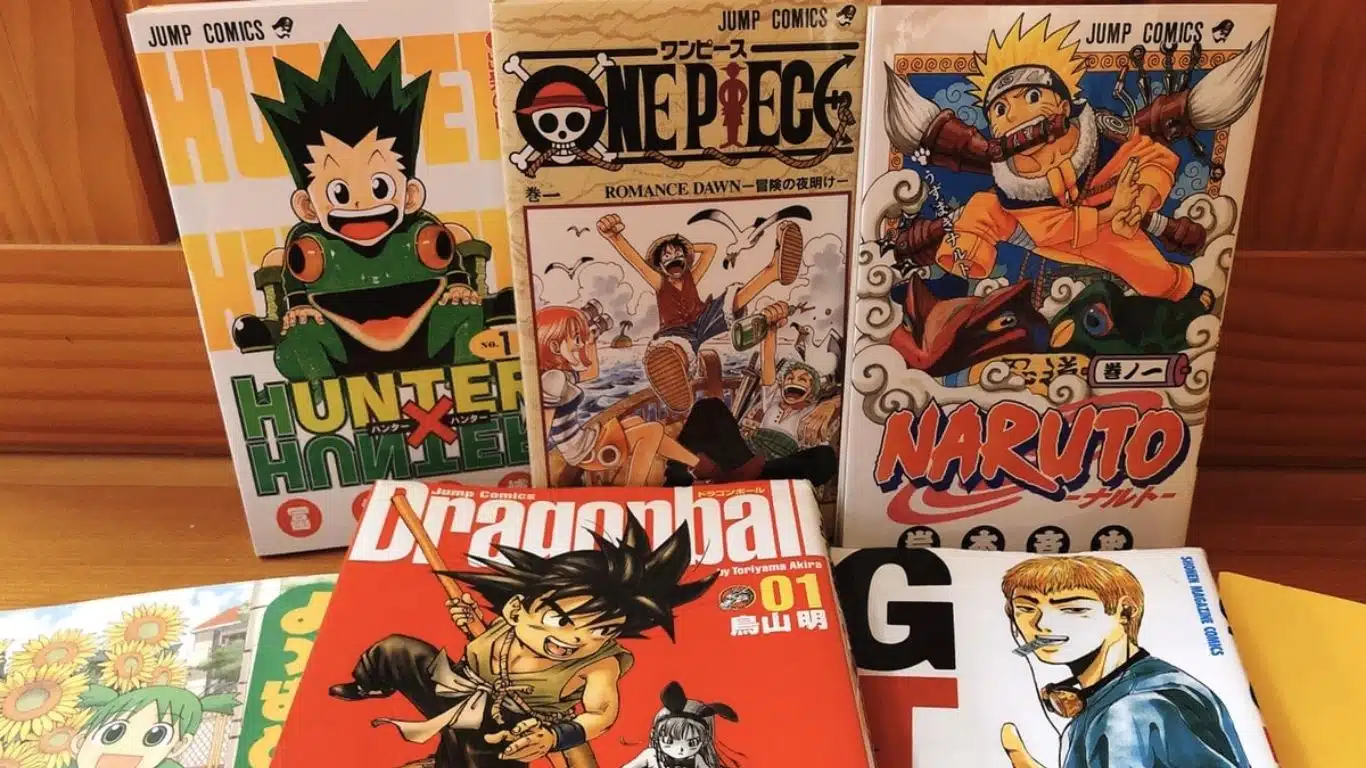
How Manga Changed the Anime Industry
From the early printed pages to modern streaming epics, manga has served as a restless catalyst for the anime industry, shaping how stories begin, evolve, and scale for audiences across generations. Its serialized approach creates a demand for long term character development, cross media adaptation, and ambitious worldbuilding, pushing studios to plan multi season arcs, expansive licensing, and coordinated releases that maximize reach. The visual language of manga bold composition, dynamic motion lines, expressive faces, and nuanced panel rhythm has infiltrated animation, guiding directors toward cinematic storytelling that balances spectacle with quiet, character driven moments. Global access through translation and streaming has transformed fandom into a worldwide industry, enabling cross cultural collaboration, fan translation, and international co production that blur national boundaries. Taken together, these dynamics have reshaped not only what gets adapted, but how studios budget, market, and measure success in a media landscape where a single manga can become a sprawling franchise.
Historical evolution: key eras and milestones
The historical arc of manga and its journey into anime can be understood through distinct eras that mark shifts in technology, publishing, and audience expectations.
In the 1950s and 1960s, pioneers like Osamu Tezuka used manga’s expressive breadth to imagine animation friendly storytelling, setting a template for character driven plots, episodic formats, and accessible worldbuilding that later animators borrowed.
The 1970s and 1980s saw the rise of mecha operas, magical girl sagas, and action epics whose serialized structures required careful pacing, subplots, and fan anticipation, tensions that anime agencies embraced as they produced stand alone films and long running TV narratives.
With the 1990s and 2000s, digital printing, fan culture, and licensing networks created an ecosystem where manga and anime fed each other across markets, enabling cross pollination of genres, stylistic experimentation, and higher production values in adaptation workflows.
Today, streaming, digital chapters, and global licensing have accelerated the speed of adaptation while encouraging experimentation with formats, timelines, and audience participation, cementing the historical arc of manga as a core engine of anime innovation.
Influence on storytelling and themes
Influence on storytelling and themes has been profound, reshaping pacing, the use of long arcs, and the balance between action, romance, and political or social subtext as audiences engage with character journeys across episodes and volumes.
- Pacing in serialized formats fostered mid season climaxes, intertwined subplots, and character arcs that unfold across chapters rather than a single episode, encouraging fans to anticipate the next installment.
- Narrative devices such as foreshadowing, long game world building, and recurring motifs helped manga cultivate durable readership, which anime adaptations translated into structured arcs that reward long term engagement.
- Character development in manga often rests on gradual changes over volumes, which anime mirrors through seasonal progressions, episodic growth, and visual cues that signal evolving relationships.
- Hybrid genres such as martial arts fantasies and high school romances inspired cross blending in anime, widening audiences by combining familiar tropes with fresh cultural contexts.
- Adaptation strategies evolved to compress or expand source material, guiding producers on episode counts, pacing, and how to fit stories into different formats while preserving core themes.
- Audience feedback models increasingly influenced creative decisions, with fan responses guiding tone, character focus, and the balance between faithful adaptation and new interpretations.
These shifts reflect how manga and anime together experiment with structure while keeping audience investment at the center.
Impact on character design and art styles
Character design and art styles illustrate a clear divergence in emphasis between manga and anime, yet the cross pollination between the two remains a core engine of visual innovation.
| Aspect | Manga approach | Anime approach |
|---|---|---|
| Line work | Detailed ink work, variable weight, cross hatch for texture | Cleaner lines, digital inking, simplified shading for animation |
| Facial expressions | Exaggerated features to convey emotion even at small sizes | Subtler expressions, emphasis on motion and timing |
| Color and shading | Monochrome with screentones and textures | Full color palettes, gradients, and dynamic lighting |
| Proportions and silhouettes | Stylized, iconic silhouettes designed for print readability | Dynamic proportions tailored to movement and camera angles |
The resulting synthesis demonstrates how print based priorities and animation constraints shape the visual language across both media.
Cultural and global influence
Localization and cross cultural exchange have expanded access and participation, making anime properties part of a global conversation.
- Localization and cultural translation expanded access, enabling fans worldwide to engage with stories in their own language while preserving core meanings and tonal nuances.
- Online communities, fan art, and translation wikis turned anime into participatory culture, inviting collaboration across borders and creating shared vocabularies around characters and moments.
- Streaming platforms and licensing deals unlocked access to a vast catalog, accelerating cross border viewership and enabling simultaneous global premieres for popular titles.
- Manga inspired fashion, video games, and music embedded motifs into everyday culture and helped anime creators collaborate with other media ecosystems.
- Academic study and museum exhibitions have celebrated manga as a global storytelling form, influencing design theory and narrative analysis beyond popular culture.
- Local creators reinterpret famous series through diverse lenses, enriching global storytelling and sustaining a dynamic exchange between Japanese origins and international audiences.
As audiences participate across borders, storytelling practices adapt to diverse contexts and media ecosystems.
Product Features and Competitive Advantages
Across modern anime the link to manga is stronger than ever. Manga sources provide clear story arcs, character relationships and visual cues that guide producers from concept to screen. The result is faster alignment across departments and clearer expectations for directors and studios. These dynamics have reshaped workflows, reduced uncertainty and helped distribute creative risk. This section outlines the core features and competitive advantages that arise when studios lean into manga as the foundation.
How manga source material reduces production risk
Utilizing manga as source material introduces a compact risk profile for anime projects. Because manga has already tested readership and market viability, studios gain a prevalidated narrative lane with built-in audience expectations. When a series has an established fanbase, the risk of flop appeal is reduced because early chatter helps calibrate what fans want to see in adaptation. This validation is especially valuable for untested genres or cross-cultural releases, where marketing costs can be a substantial gamble a dynamic similar to how platforms like Winnita casino rely on proven audience interests to shape engaging content strategies.
Serialized storytelling provides a blueprint for pacing and arc structure. Creators can map major turning points across multiple seasons based on completed chapters rather than speculative drafts. Production teams benefit from a clear outline for episodic beats, cliffhangers and character development milestones. The result is fewer mid season rewrites and a smoother schedule for storyboarding and animation planning.
Character design and world building originate from the original artist style, which reduces design churn later in production. While adapters can layer visual innovation, the core silhouettes and expressions are already tested with readers. This reduces the need for redesigns and allows animation teams to focus on motion, lighting and CGI experiments that elevate the material rather than reinvent it. The cross pollination of fans expectations with design direction also helps alignment between writers and artists.
Market feedback informs casting and voice direction. When the manga shows popularity in particular character archetypes and relationships, casting decisions can align with audience memory. This can shorten talent scouting times and increase the odds of a resonant voice match. As a result, studios avoid lengthy experiments in performance that rarely translate into sustained audience engagement.
Global appeal emerges from established translation and localization pipelines. Manga often arrives with mature translation workflows and cultural notes that help studios plan international releases. The familiarity of fans outside Japan reduces the friction of introducing the anime to new regions. By leveraging this groundwork, studios can plan marketing and distribution strategies that accelerate early streaming and merchandising revenue.
Caution is necessary to preserve originality. While manga provides a trusted backbone, savvy teams adapt material to suit animation tempos and cultural contexts. The best outcomes retain core themes while exploiting the evolving vocabulary of motion and sound design. When done well, the risk profile shifts toward measurement and iteration rather than guessing and improvisation.
Licensing and rights clarity reduces delays
Licensing and rights clarity reduces delays. In practice upfront agreements define rights scope licensing windows and territory coverage reducing back and forth during production. Clear terms help legal teams align with producers and talent agencies earlier in the timeline and avoid last minute escalations. By setting expectations on source credit adaptations and derivative works studios can schedule assets and approvals with confidence. This leads to fewer hold ups between chapters finishing and animation ready assets being negotiated. This results in smoother pre production and longer production runs with fewer disruptions. Teams can lock in release calendars merchandise windows and international licensing plans earlier in development. Clear documentation also helps during audit and compliance checks ensuring consistent credits and royalties across territories.
Standardized design pipelines for animation-ready assets
Standardized design pipelines for animation ready assets. When the manga style provides consistent line weight and character silhouettes, studios can adopt uniform asset templates across episodes. This reduces the time spent on redesigns while enabling faster turnarounds for key visuals, turnarounds and color keys. A shared asset library from the source material supports artists and animators by giving a single reference point for expressions movements and wardrobe choices. The pipeline also improves quality control allowing early animation tests to reflect the original mood and pacing. By aligning concept art with production tooling studios minimize translation errors and maintain continuity as the series scales. Clear versioning tracks and approval gates further smooth the workflow. Reducing rework saves time and budget and overall efficiency increases for teams.
Manga-driven production advantages
Studios see tangible gains across planning and production when manga guides the process.
- Clear character references and design sheets from the source reduce early art direction iterations and keep animation style aligned with fans expectations.
- Serialized pacing provides predictable episode counts and cliffhanger placements, aiding script writing and animation scheduling while maintaining audience engagement across weekly releases.
- Established world building lowers world asset creation time and supports consistent backdrops, creatures and lore, reducing redesigns during environment design and rendering.
- Pre validated audience signals help prioritize which chapters to adapt first and allocate budget toward high return scenes and character moments.
- Cross platform synergy enhances licensing prospects and revenue streams beyond the anime including merchandise games and publishing partnerships across regions and demographics.
This approach yields smoother pipelines and faster time to market for new seasons and spin offs.
Licensing and rights clarity reduces delays
Licensing and rights clarity reduces delays. In practice upfront agreements define rights scope licensing windows and territory coverage reducing back and forth during production. Clear terms help legal teams align with producers and talent agencies earlier in the timeline and avoid last minute escalations. By setting expectations on source credit adaptations and derivative works studios can schedule assets and approvals with confidence. This leads to fewer hold ups between chapters finishing and animation ready assets being negotiated. This results in smoother pre production and longer production runs with fewer disruptions. Teams can lock in release calendars merchandise windows and international licensing plans earlier in development. Clear documentation also helps during audit and compliance checks ensuring consistent credits and royalties across territories.
Standardized design pipelines for animation-ready assets
Standardized design pipelines for animation ready assets. When the manga style provides consistent line weight and character silhouettes, studios can adopt uniform asset templates across episodes. This reduces the time spent on redesigns while enabling faster turnarounds for key visuals, turnarounds and color keys. A shared asset library from the source material supports artists and animators by giving a single reference point for expressions movements and wardrobe choices. The pipeline also improves quality control allowing early animation tests to reflect the original mood and pacing. By aligning concept art with production tooling studios minimize translation errors and maintain continuity as the series scales. Clear versioning tracks and approval gates further smooth the workflow. Reducing rework saves time and budget and overall efficiency increases for teams.
Case studies: successful manga-to-anime adaptations
Demon Slayer Kimetsu no Yaiba began as a manga that already built a devoted readership before its first anime season released. The adaptation benefited from clear tonal guidance a proven arc structure and strong character dynamics. The response was immediate with high television ratings and a film that recast the franchise as a global phenomenon driving merchandising and streaming momentum. The production team also refined scheduling and keyframe decisions based on the manga pace avoiding major overhauls mid production.
Attack on Titan demonstrates how a high stakes narrative translates across production scales. The manga provided a compact set of core mysteries and escalating threats that informed pace battle choreography and visual design. When the anime adapted the material, studios aligned lighting and CG integration with manga panels that fans already perceived as iconic. The result was an intensely discussed show that drew international audiences then expanded into films and merchandise that reinforced the IP. This case underscores the value of a strong source framework guiding risk management and global marketing.
My Hero Academia shows how popular manga can sustain a long running anime through evolving arcs and character growth. The adaptation capitalized on familiar hero archetypes and school settings while expanding the cast through original animation sequences and pacing experiments. The combination of manga momentum and thoughtful episodic planning yielded steady viewership multiple seasons and cross platform revenue including licensing and spin offs. Together these case studies highlight how a well managed manga to anime transition reduces risk while unlocking scalable growth.

Specifications, Formats, and Accessibility
From the early experimentation of serialized manga to the expansive, global streaming ecosystem of today, manga has functioned as the strategic backbone of how anime is conceived, pitched, and produced, providing not only a narrative blueprint but also a distinct visual language that informs character design, pacing, and genre expectations, creating a continuous feedback loop where magazine editors, studio executives, and creators collectively calibrate ambition against budget, licensing, and audience appetite; this relationship anchors what counts as a successful adaptation and shapes the evolution of storytelling across media, ensuring that the manga’s influence on the anime industry remains both enduring and multifaceted across cultures.
The serialized nature of manga weekly chapters, ongoing arcs, and strategic cliffhangers has trained readers to demand momentum and thematic consistency over time, a demand that anime producers translate into episodic rhythms, arc divisions, and season‑length planning, which in turn affects how many episodes are produced, how quickly arcs are introduced, and when new characters are introduced, thereby guiding the architecture of animation production schedules and the financial risk calculus that determines whether a title receives a short run or a sprawling, multi‑season treatment.
Print formats, such as magazines that prioritize rapid turnover and tankobon volumes that compile long‑form storytelling, directly influence adaptation decisions by signaling arc density, scene density, and the feasibility of narratively dense sequences within a standard episode, while digital‑first releases compress or reframe pacing for online audiences and can prompt studios to experiment with pacing, cliffhangers, and episode‑length variations to maximize bingeability without sacrificing core themes.
As digital platforms expanded reach, localization, subtitles, and accessibility features became central to global success, with translation teams negotiating cultural nuance, humor, and idiomatic expressions, while producers adjust lip‑sync, tone, and voice casting to preserve character essence across languages;
In this broader ecosystem, manga’s role as a source material for anime remains historically significant, shaping industry standards, inspiring innovations in cinematic technique, and reinforcing a cultural shift toward cross‑media storytelling that continues to drive the evolution of both manga storytelling in anime and the anime innovations from manga.
Print and digital manga formats influencing anime adaptation
Print formats the traditional weekly magazines and the later tankobon collections set the narrative tempo for adaptations. Weekly magazines deliver rapid character introductions, multiple concurrent plots, and compact cliffhangers designed to sustain reader loyalty across dozens or hundreds of chapters; this cadence translates into anime decisions about episode counts, pacing, and arc boundaries, where producers must decide whether a single manga arc will fit neatly into a twelve‑episode season or require a longer adaptation across two or more cours. Tankobon volumes, collected after serialization, offer a different lens: they consolidate pacing, deepen world‑building, and allow for richer character backstories that can justify longer, more ambitious arcs in animation or motivate spin‑offs and side stories that expand the franchise’s footprint.
Digital formats accelerate experimentation. Web manga, vertical scrolling, and digital‑first releases attract new audiences accustomed to mobile consumption and continuous storytelling; for anime, these formats signal that audience expectations may tolerate flexible episode lengths, nontraditional release windows, and more frequent cross‑promotion between manga chapters and anime episodes. Digital platforms also enable rapid translation and broader licensing opportunities, as scenes are easier to excerpt, reformat, and adapt for different markets, while colorized re‑releases and enhanced edition projects push studios to collaborate more closely with authors on visual language, brand identity, and world‑building rules that hold consistency across media.
Practical implications for adaptation extend to storyboard and animation pipelines. When a manga arc is dense with action or internal monologue, studios may compress or restructure scenes, rewrite dialogue for clarity, or adjust camera work to preserve readability; conversely, manga that features lyrical pacing or expansive world‑building may justify extended seasons with carefully staged episodes that balance exposition, character development, and set‑piece sequences. The choice of format also affects merchandising planning, soundtrack milestones, and promotional campaigns, because publishers and studios anticipate cross‑media synergy with toys, apparel, and digital content tied to specific arcs.
Overall, the interplay between print and digital formats informs the adaptation strategy, season planning, and global marketing approach, ensuring that manga remains a flexible, scalable source material that can be reshaped to fit evolving audience habits while preserving the core storytelling instincts that define the franchise.
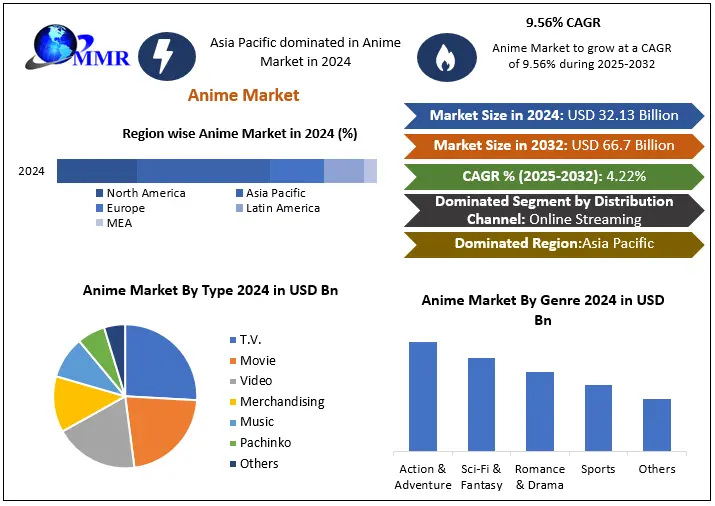
Accessible formats and platforms
Accessibility in media isn’t merely a matter of translation but a design philosophy that defines the lifecycle of a story born from manga, influencing discoverability, reach, and long‑term engagement across regional audiences, varying literacy levels, and differing technological infrastructures; platforms that neglect inclusive features risk narrowing the audience, while those that invest in flexible reading modes, accessible navigation, and culturally aware localization can convert casual viewers into devoted fans who follow a property from the manga’s first chapter to the anime’s final season.
In practice, accessibility planning begins at the manuscript stage, where editors and localization teams anticipate how manga panels translate into animation, how humor and cultural references survive shifts in language, and how alternative formats like webtoons or vertical readers influence interface design and user expectations, ensuring that the final product remains legible, culturally respectful, and emotionally resonant.
- Major streaming platforms offer multilingual subtitles and dubs, enabling near-synchronous global access and influencing release strategies that align with regional licensing, marketing, and audience expectations.
- Mobile apps and desktop players support offline downloads, adjustable playback speed, and data-saving modes, helping viewers enjoy anime and accompanying manga adaptations in environments with inconsistent connectivity.
- Reader‑focused manga apps incorporate adjustable fonts, dyslexia‑friendly typography, night mode, and high‑contrast options, improving legibility and comfort for diverse readers across devices.
- Accessibility features such as screen‑reader compatibility and descriptive audio increase inclusivity for visually impaired audiences, enabling navigation through menus, subtitles, and narration without sacrificing content.
- Metadata, search tags, and accessible descriptions help fans discover manga‑to‑anime properties, supporting inclusive discovery and reducing barriers for non‑native speakers navigating global catalogs.
- Simultaneous or near‑simultaneous premieres across regions, accompanied by region‑specific accessibility options, reduce delays and encourage broader participation from international communities.
- Community‑driven accessibility initiatives, including caption corrections and feedback loops, empower users to request improvements and influence future platform features supporting manga‑related programming.
Localization’s reach and platform design thus become pivotal, opening pathways for broader readerships while shaping how fans experience the animation in their own language and format.
Localization, subtitles, and accessibility features in anime
Localization, subtitles, and accessibility in anime are not mere afterthoughts; they are integral to global reach and audience resonance. The act of localizing a story born in Japanese into other languages involves more than direct translation; it requires cultural localization, idiom adaptation, and tone calibration to preserve humor, suspense, and emotional impact. Translators must decide when to domesticate jokes and when to retain cultural references that may be unfamiliar to international viewers, balancing faithfulness with accessibility. When done well, localization can unlock cross-cultural appreciation, widen fan communities, and drive higher engagement with both the anime and its manga origins, reinforcing the historical significance of manga in anime and enabling audiences to connect with the characters’ motivations across linguistic boundaries.
Subtitles and dubbing strategies shape viewer experience. Subtitles must be accurate yet readable, synchronize with lip movements, and maintain pacing so that viewers can follow dialogue without missing visual cues; dubbing adds voice texture and regional charisma but risks tone shifts if not carefully matched to the original performances. In many cases, producers work closely with voice actors, editors, and translators to ensure that character voices remain recognizable while reflecting cultural sensibilities, distinct dialects, and age appropriateness; this collaborative process often leads to revisions during production, aligning the emotional arc with audience expectations in different markets.
Accessibility features such as closed captions, descriptive audio tracks, and adjustable display settings broaden participation for viewers with hearing or visual impairments, dyslexia, or cognitive differences, and they influence how studios program gatekeeping content, plan scene‑by‑scene accessibility checks, and annotate visual information for non‑native audiences; as platforms invest in inclusive technologies, the boundary between manga storytelling in print and animation storytelling on screen expands, enabling a wider range of readers to experience the same franchise across formats, often with supplementary materials, interactive guides, or behind‑the‑scenes explanations.
Localization’s challenges and opportunities also affect licensing, merchandising, and fan activism; successful adaptation creates fiscal momentum that attracts publishers and platform partners, while missteps can spark fan backlash or call for revised translations, ultimately guiding future collaborations and establishing best practices that shape how manga storytelling translates into anime across markets.
The cumulative effect is that localization is not only about language conversion but about conveying cultural nuance, social humor, and ethical sensibilities in a way that preserves the author’s intent and the story’s universality; as a result, localization has become a determinant of a title’s international viability, contributing to the evolution of both manga storytelling in anime and the broader conversations about cross‑cultural media production.
Pricing, Availability, and Special Offers
Pricing, Availability, and Special Offers explore how the manga-to-anime pipeline recalibrated commercial models by moving beyond a single license sale toward a layered ecosystem that blends streaming rights, digital rentals, physical editions, merchandising royalties, and creator incentives, creating continuity revenue from initial hype through to long-tail engagement across many years and regions. As manga titles mature into animated series, publishers, studios, and platforms negotiate multi-market price points, regional bundles, and tiered access that account for local disposable income, piracy risks, localization costs, and the pace of serialization, ensuring fans can access the story in the most compelling way while sustaining production budgets. Simulcast windows and synchronized global premieres have become strategic levers that influence licensing terms, audience retention, and the timing of promotional campaigns, balancing the urgency for near-real-time feedback with the realities of subtitling, dubbing, and regulatory compliance across diverse markets. Global availability driven by streaming platforms introduces cross-border merchandising deals, sponsorships, and event-driven campaigns that convert episodic attention into coordinated marketing moments, boosting franchise value during peak seasons and after, while also shaping regional catalog strategies, local partnerships, and the cadence of new releases. Together with flexible pricing models and promotional calendars, these dynamics show how manga-originated properties leverage cross-media ecosystems to sustain franchises beyond a single format, turning a page-based story into a multi-channel commercial engine that supports creators, studios, retailers, and fans around the world.
Monetization models: from manga sales to streaming revenue
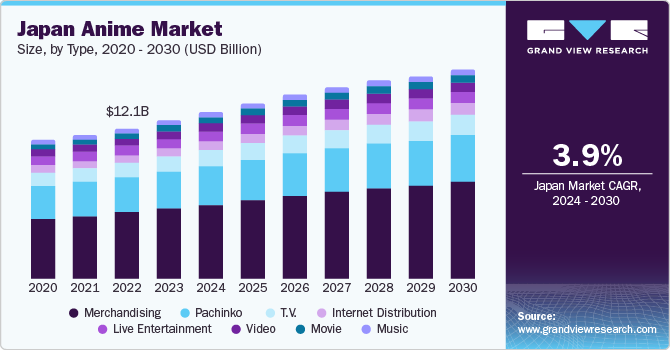
Monetization models in the manga-to-anime ecosystem have grown from simple licensing fees to an intricate web of revenue streams that capitalize on the strengths of each medium and the loyalty of fan communities. Original manga sales create the initial capital that funds adaptation, but publishers increasingly rely on staggered releases, digital subscriptions, and bundled editions to extend the monetization window beyond a single volume cycle. Once animation enters the market, streaming rights become a primary driver of ongoing income, with platforms negotiating tiered licenses, exclusivity periods, and geographic splits that reflect audience size, localization costs, and regional competition. Licensing fees for broadcast, home video, and international distribution compound with revenue from simulcast streams, which enable near real-time audience engagement while balancing costs for dubbing, subtitles, and rights management. Advertising, product placement, and sponsorships inside episodes contribute to return on investment, while merchandising tie-ins figures, apparel, accessories, and collectibles create parallel revenue streams anchored to character recognition and moment-based appeal. Video-on-demand purchases and rental services provide another axis for monetization, often bundling access with other series or limited-time offers to maximize per-view revenue without increasing the price of a full season. Cross-media licensing extends beyond the screen into games, stage plays, and theatrical releases, creating cross-promotion opportunities that extend the life of a title beyond the anime series and contribute to a wider IP ecosystem. Studio profits are balanced by risk management: the more commercial potential a title shows, the more likely studios are to invest in longer arcs, higher production values, and global localization pipelines that can deliver consistent streaming performance. Economic modeling in this space increasingly relies on data-driven forecasting, with fan behavior analytics informing release timing, merchandise design, and the sequencing of spin-offs to optimize monetization across editions. Ultimately, the monetization tapestry born from manga-turned-anime demonstrates how a single narrative asset can be toured across formats, currencies, and cultures, turning creative risk into sustainable value while inviting new generations of fans to participate in multiple entry points. Market studies and regional partnerships with gaming companies, toy manufacturers, and educational outlets expand licensing into experiential products like AR experiences, model kits, and classroom-friendly materials that amplify reach in diverse markets. In several markets, manga and anime co-release models have led to higher upfront revenue through pre-orders and limited editions that are exclusive to certain retailers, creating scarcity that drives demand while shaping the production schedule to meet anticipated levels. The interplay between print and screen also influences royalty structures for creators, with more transparent reporting and performance-based bonuses tied to episode viewership metrics, franchise milestones, and international licensing renewals. As new distribution channels emerge, such as mobile-first streaming or ad-supported video on demand, the economics adapt, favoring lighter price points, episodic access, and longer-tail fan engagement rather than a single blockbuster hit. Taken together, the monetization models reflect a shift from one-off sales to an ongoing ecosystem that rewards sustained attention, community-driven promotion, and cross-cultural localization. Publishers also experiment with dynamic pricing during peak volumes seasonal episodes, movie releases, or festival weekends to capitalize on heightened interest without alienating casual viewers. In practice, a title’s financial success often hinges on the strength of its lead characters, its ability to attract a global audience, and the efficiency of its adaptation pipeline from manuscript to storyboard to final animation. Investments in IP development world-building, canon expansion, and spin-offs further increase the likelihood that a single manga property will yield multiple bundles of revenue across several years. Special merchandising and limited editions are often planned in parallel with the anime schedule, with pre-orders opening months in advance and items designed to convert episodic anticipation into tangible purchases. The final piece of the monetization puzzle is a cautious, creator-centric approach to royalties that values fairness and transparency, ensuring that both writers and artists benefit from the cross-media success of their work.
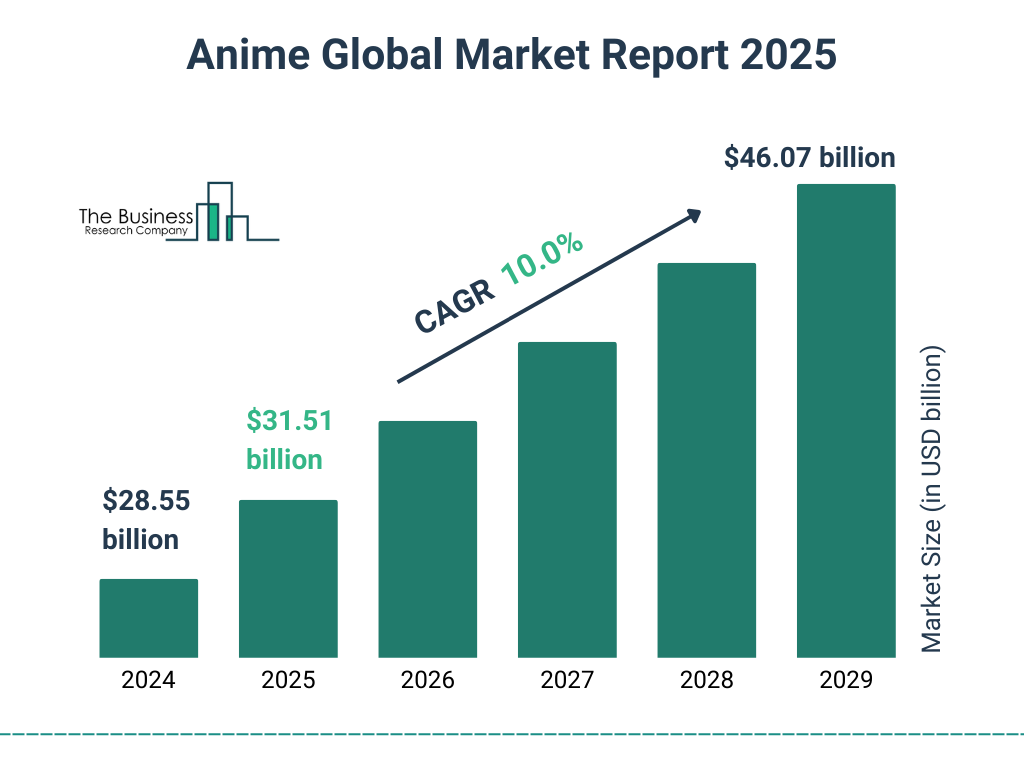
Licensing, simulcast windows, and global availability
Licensing, simulcast windows, and global availability describe how a manga property becomes an international anime product, with complex rights deals that span publishers, animation studios, distributors, streaming platforms, and local broadcasters. At the licensing stage, publishers negotiate terms that balance the desire for broad reach against costs, with tiered royalties, advance payments, and performance-based bonuses tied to episode counts, merchandising sales, and festival opportunities. Simulcast windows emerged as a critical tool to capture early engagement while managing localization pipelines, often resulting in a mix of simultaneous releases in major markets and regionally staggered drops in others to preserve licensing income and build anticipation. Global availability depends on platform strategies and regulatory considerations, with some territories granted exclusive access for a defined period and others served by multiple partners that compete on price, subtitling quality, and the breadth of catalog. In addition, licensing for ancillary media video games, stage adaptations, and theatrical releases creates cross-promotion opportunities that extend the life of a title beyond the anime series and contribute to a wider IP ecosystem. The economics of licensing are influenced by regional demand signals, piracy controls, and the cost of localization, which together shape the sequencing of releases, the duration of exclusive windows, and the willingness of platforms to invest in longer-term partnerships. Rights reversion clauses and renewal negotiations inject flexibility into the system, enabling new players to acquire older seasons as catalogs expand, while also offering fans renewed access to beloved arcs and the chance to discover content previously unavailable in their country. Ultimately, successful licensing and distribution depend on transparent data sharing, reliable localization workflows, and collaborations that align incentives across creators, publishers, platforms, and retailers to maximize audience reach and revenue per episode. These dynamics demonstrate how manga-originated properties navigate a global media landscape, balancing creative integrity with commercial pragmatism to ensure that each release contributes to a cohesive, monetizable franchise. In addition, licensing and distribution strategies increasingly rely on regional partnerships, co-production deals, and multi-platform campaigns that unlock new revenue streams and broaden audience access.
Special offers, merchandise, and cross-media promotions
Special offers, merchandise, and cross-media promotions have become essential components of the manga-derived anime business model, turning episodic attention into ongoing consumer engagement and enabling fans to participate in the universe beyond the screen. Limited-edition releases, early access bundles, and collector sets tie directly to narrative milestones and character popularity, encouraging pre-orders and creating predictable revenue waves that help studios plan production schedules and marketing budgets. Merchandise strategy is tightly integrated with licensing, with characters and scenes chosen for plushies, figures, apparel, and accessories based on episodic moments that resonate across cultures, ensuring that products become durable reminders of a franchise rather than disposable add-ons. Cross-media promotions extend beyond physical goods, encompassing collaborations with game developers, music artists, publishers, and exhibitors, as well as themed cafés, pop-up experiences, and touring exhibitions that widen awareness and deepen emotional connections. Promotional campaigns often leverage digital channels social media challenges, behind-the-scenes content, and episodic previews to sustain interest between seasons and to convert casual viewers into paying fans through exclusive digital items and subscription offers. Loyalty programs and membership clubs reward long-term engagement with points that redeem merch credits, early screening opportunities, and access to creator Q&As, helping to maintain momentum during lulls in new episode releases. Promotional timing is critical; studios align product drops with theatrical releases, game launch windows, and festival dates to maximize cross-pollination and to ensure that each marketing impulse reinforces the others. However, successful cross-media promotions require careful governance to protect IP integrity, avoid oversaturation, and balance fan excitement with sustainable price points that do not alienate different market segments. In practice, a well-orchestrated mix of offers, merchandise, and media partnerships can lift a franchise from a niche hobby to a global cultural presence, prolonging its life cycle and creating opportunities for new readers to discover the original manga. The result is a feedback loop: stronger promotions drive higher sales of books and merch, which funds more ambitious adaptations and experiences, which in turn attract new audiences and seed additional cross-promotional opportunities. As fans participate in events, digital drops, and collectible hunts, the perception of value broadens from a single episode to an entire ecosystem, enriching both the fan experience and the franchise’s economic resilience. Joint marketing agreements with international partners often include regional storytelling adjustments, ensuring that promotions, packaging, and narrative references resonate with local cultures while preserving core themes shared across markets. Additionally, the data generated from these campaigns sales figures, item popularity, and engagement metrics feeds back into product development, guiding future lines, spin-offs, and re-releases that sustain interest over many years. In this environment, special offers and cross-media promotions become less about a one-off sale and more about building an enduring, interconnected IP that fans want to participate in at every touchpoint.